The Future of Payment Systems: Contactless, Mobile, and Beyond
The world of payments is undergoing a profound transformation. Traditional methods like cash and payment cards are gradually giving way to digital and mobile solutions that offer greater speed, security, and convenience. Especially after the pandemic, there is a growing demand for contactless and seamless payment methods – free from physical contact, cash, and unnecessary complications. This change affects not only the technical side of transactions but also reshapes the very nature of financial flows and the relationships between all participants in the ecosystem – from consumers and merchants to financial institutions.
Mobile Phones as the Key Payment Tool
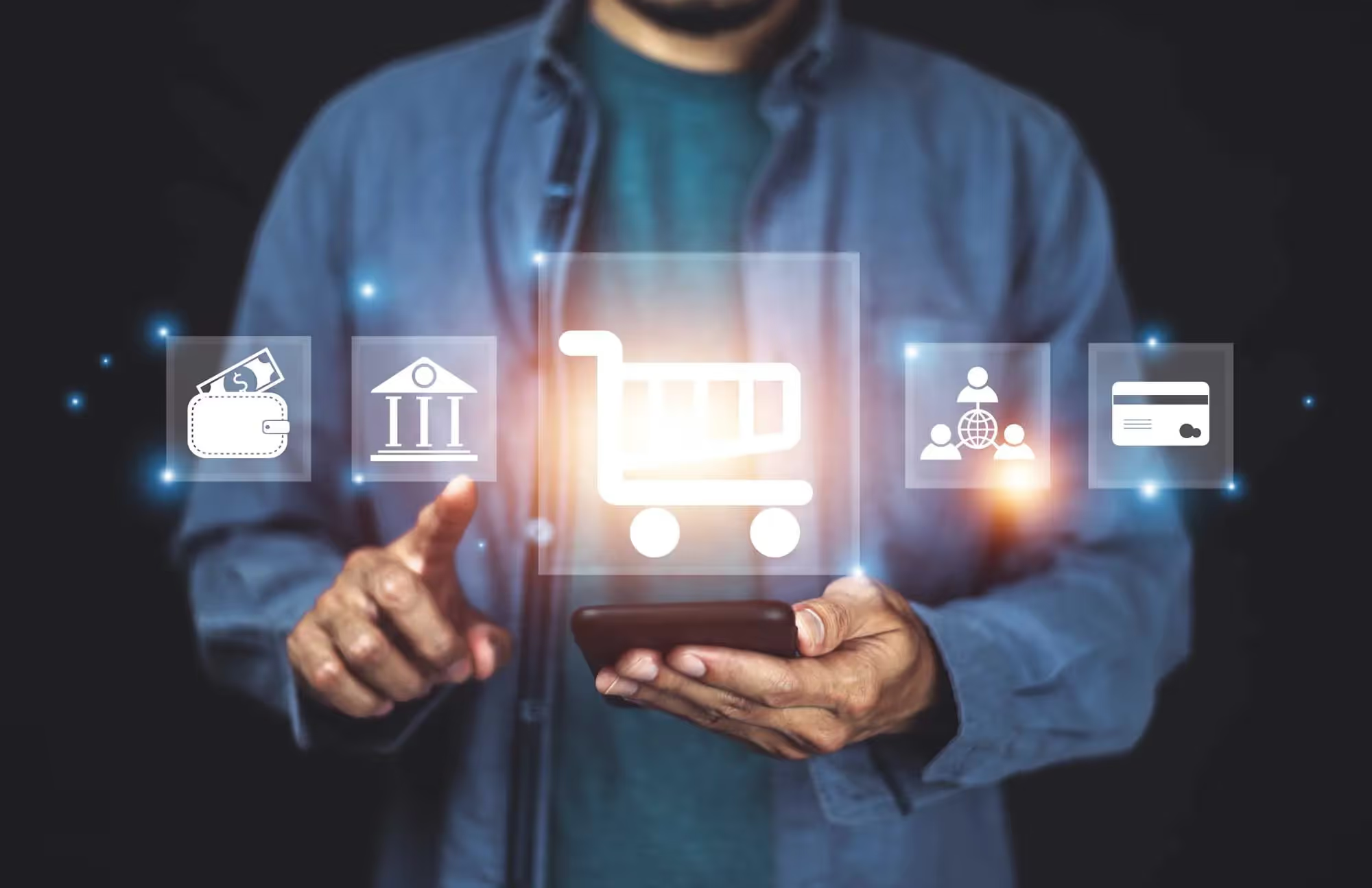
The mobile phone is no longer just a communication device – it has become a digital wallet, an identification tool, and the central hub for all types of digital payments. With technologies like NFC (Near Field Communication), users can simply tap their phone against a terminal and complete a payment in seconds. In many countries, including the USA, EU nations, and across Asia, this method of payment is already widespread.
Biometrics – Security at Your Fingertips
Security is a key factor in the adoption of digital payment solutions. That's why an increasing number of systems use biometric authentication – fingerprint scans, facial recognition, or even iris scanning. These technologies ensure that only the device owner can authorize a payment, significantly reducing the risk of identity theft and unauthorized transactions.
Combined with encryption and tokenization – a process where actual card data is replaced by a unique token – mobile payments become not only convenient but also extremely secure.
Digital Wallets and All-in-One Solutions
Digital wallets, such as Samsung Wallet, Apple Pay, and Google Wallet, offer much more than just payment functionality. They allow users to store loyalty cards, gift vouchers, boarding passes, and even identification documents. At the same time, they integrate with e-commerce platforms, allowing users to make purchases without repeatedly entering their details.
According to global research, the mobile payment market will reach a value of over $600 billion by 2030, with an annual growth rate of over 35%. This growth will be driven by the increasing number of smartphones, improved infrastructure, and growing user trust in digital solutions.
Cryptocurrencies and Central Bank Digital Currency (CBDC)
Another major shift in the payment ecosystem comes from the world of cryptocurrencies and blockchain technology. While cryptocurrencies are still volatile and have limited acceptance, their growing use in certain sectors indicates they will play an increasingly important role in the future of payments.
At the same time, central banks worldwide are working intensively on developing their own digital currencies – known as CBDCs (Central Bank Digital Currency). The European Central Bank is already developing a prototype for a digital euro, which could be launched by 2027. These central bank digital currencies will not replace existing forms of money but will complement them, enabling more secure, faster, and transparent transactions.
Innovation in Motion: Smart Cities and Mobility
Payment technology also plays a key role in the development of smart cities and modern transportation systems. Automated parking payments via license plate recognition, apps that guarantee the "best fare" based on ride volume, and integrated payments within transport applications are just some examples of how mobile payments are improving citizens' daily lives.
Environmental and Sustainability Aspects
Interestingly, digital payments are increasingly associated with sustainability. Digital receipts instead of paper, reduced need for card printing, and the elimination of cash from the system all help lower the carbon footprint. Consumers are becoming more aware of the environmental impact of their habits and are choosing solutions that support the green agenda.
Personalization and Vertical Integration
Payments are no longer just transactions – they’re becoming part of the overall user experience. In retail, restaurant chains, and even healthcare, payment solutions are being integrated with industry-specific software. This enables not only payments but also the management of reservations, loyalty programs, analytics, and customer data – all within a single platform.
Challenges and Obstacles
Despite rapid technological progress, there are still numerous challenges that must be addressed to ensure a successful and inclusive digital transformation:
Digital literacy:
Not all users are able to easily adopt new payment methods. The older population, for example, still places greater trust in cash and physical cards.
Security:
Despite increasingly sophisticated systems, cyberattacks remain a serious risk. Protecting users' data and funds continues to be a top priority.
Regulation:
With the emergence of new forms of digital money, legal frameworks must keep pace with technological innovation. Regulation must protect users, ensure fair market competition, preserve citizens’ privacy, maintain central bank sovereignty, and ensure the stability of the financial system.
The Transformation of Payment Systems in the Digital Future
The future of payment systems brings a world where payments are fast, secure, contactless, and integrated into all aspects of daily life. From mobile phones and wearable devices to biometrics, cryptocurrencies, and central bank digital currencies – the transformation is in full swing. It is crucial that users, businesses, and institutions stay on top of these trends to adapt in time and take full advantage of the benefits offered by modern technologies. One thing is certain – the way we pay today will soon become a thing of the past.
Related post